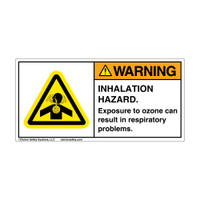
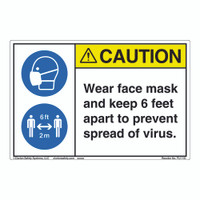
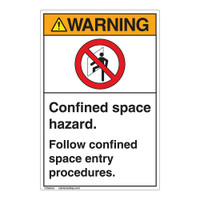
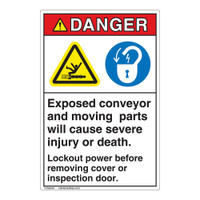

-

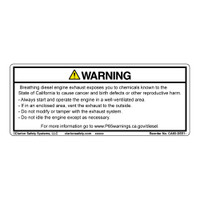
Warning Toxic and Corrosive Label (HMS-9XWH)
Starting at $0.86 / each -

Warning Toxic Chemicals Label (H6024-NSWH)
Starting at $0.86 / each -

Warning Toxic And Corrosive Chemicals Label (HMS-FY2WH)
Starting at $3.69 / each -

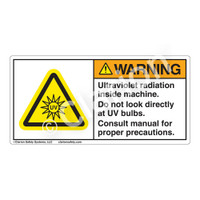
Warning/Skin Irritation Label (H6031/6033-204WH)
Starting at $1.16 / each
Reinforce Safety with Clarion Safety’s PPE Labels
When it comes to the last line of defense around dangerous equipment, personal protective equipment (PPE) becomes the frontline against potential injuries. PPE labels play a vital role in communicating the necessity of wearing specific protective gear to safeguard against various risks. Just as machinery and thermal hazards require proper precautions, PPE labels guide individuals in selecting and using the right equipment to mitigate workplace and machine dangers.
OSHA Standards for PPE Usage
The Occupational Safety and Health Administration (OSHA) has several standards that require the use of PPE to ensure worker safety in various industries and environments. The primary standard related to PPE is found in the Code of Federal Regulations under Title 29, Part 1910, Subpart I - Personal Protective Equipment (PPE) Standards. This subpart outlines the general requirements for PPE usage across various workplaces, although it is important to keep in mind that machine safety starts with the manufacturer.
Comprehensive Protection Across Various Equipment
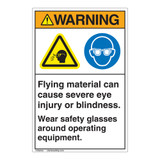
PPE encompasses a range of gear designed to shield workers from harm, including eye protection, respiratory masks, gloves, and safety footwear. PPE labels serve as constant reminders that safeguarding oneself often hinges on the proper use of the right protective gear. These labels help prevent injuries such as eye injuries, respiratory issues, chemical exposure, and physical impacts. They can also be used in conjunction with PPE signs to reinforce safety messages.
Standards-Compliant Labeling for Clear Communication
Our PPE labels adhere to ANSI Z535 and ISO 3864 standards, employing internationally recognized symbols and formats. They serve as clear, concise indicators of the specific protective gear required for different tasks and environments. Using standardized symbols also supports comprehension in multi-language or global workplaces. By wearing the appropriate PPE, individuals can prevent potential injuries and promote a culture of safety. A step as simple as remembering to wear safety helmets to protect against falling objects or ear protection to guard against excessive noise can help protect people from harm.