Charge into Fire Safety: National Fire Prevention Week 2025
Every 23 seconds, a fire department in the United States responds to a fire emergency, according to the National Fire Protection Association (NFPA). Fires continue to be a major hazard for both individuals and organizations, causing personal danger, business disruption, and significant property loss. As the 2025 fall fire season approaches and wildfires continue to impact communities across the country, awareness and preparedness are as important as ever.
This year’s Fire Prevention Week (FPW), takes place October 5–11, 2025, and carries the theme “Charge into Fire Safety: Lithium-Ion Batteries in Your Home.” The campaign highlights the safe use, charging, and recycling of lithium-ion batteries, which is a growing area of concern as these batteries power everything from smartphones and laptops to power tools and e-bikes.
Fire Safety Statistics in 2025
While fire safety awareness has improved over the past two decades, recent data underscores that hazards remain widespread:
- According to the U.S. Fire Administration (USFA), in 2023 there were over 1.4 million reported fires, resulting in nearly 3,800 civilian deaths and 15,000 injuries.
- Cooking-related incidents remain the leading cause of residential fires, while electrical malfunctions and careless use of heat-producing devices continue to drive workplace-related fire hazards.
- Lithium-ion battery-related fires are on the rise, with the Consumer Product Safety Commission (CPSC) reporting hundreds of incidents linked to improper charging or damaged batteries.
These figures demonstrate why prevention, planning, and compliance remain critical for both homes and workplaces.


The 2025 Theme: Charge into Fire Safety
The NFPA’s campaign focuses on three clear, actionable steps for preventing lithium-ion battery fires:
Buy Safely
When purchasing products powered by lithium-ion batteries, look for recognized certification marks such as UL, ETL, or CSA. These designations confirm the product has been tested to meet essential safety standards.
Charge Safely
- Always use the charging cords provided with the product or those approved by the manufacturer.
- Place devices on a hard, nonflammable surface when charging.
- Avoid overcharging—disconnect once the battery is full.
- Replace damaged batteries and chargers immediately.
Recycle Responsibly
Lithium-ion batteries should never be thrown into trash or standard recycling bins, as they can ignite under pressure or heat. Instead, bring them to a designated recycling location. The nonprofit Call2Recycle (call2recycle.org) offers a searchable database for safe drop-off locations.


Fire Safety at Work: Planning and Compliance
Fires in the workplace are preventable, but too many organizations remain unprepared. A recent survey found that nearly 1 in 5 businesses lack an emergency action plan for scenarios such as fires, floods, or chemical spills.
Key compliance and prevention measures include:
- NFPA 70E Compliance: Following NFPA 70E standards for electrical safety can prevent shock, arc flash, and electrocution incidents that may trigger fires.
- OSHA Requirements: Employers must comply with OSHA standards for fire exits, alarms, and extinguishers. This includes clear egress pathways and maintained alarm systems.
- Employee Training: Regular training and drills ensure workers know evacuation routes and how to use fire equipment safely.


5 Fire Safety Tips for Businesses
- Label Fire Hazards Clearly
Use compliant fire hazard labels and electrical safety warnings to identify risks from flammable liquids, combustible dust, hot work, and machinery. Clear labeling is the first line of defense. - Develop and Drill Escape Plans
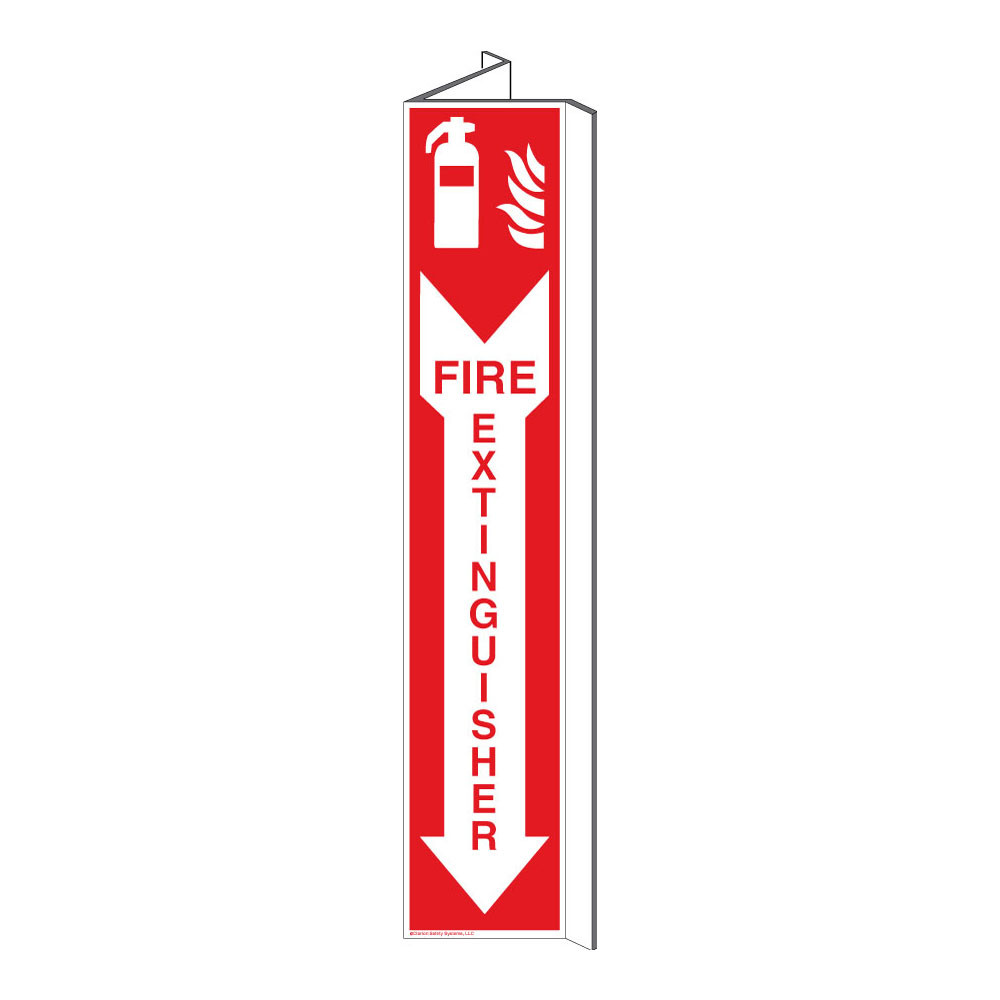
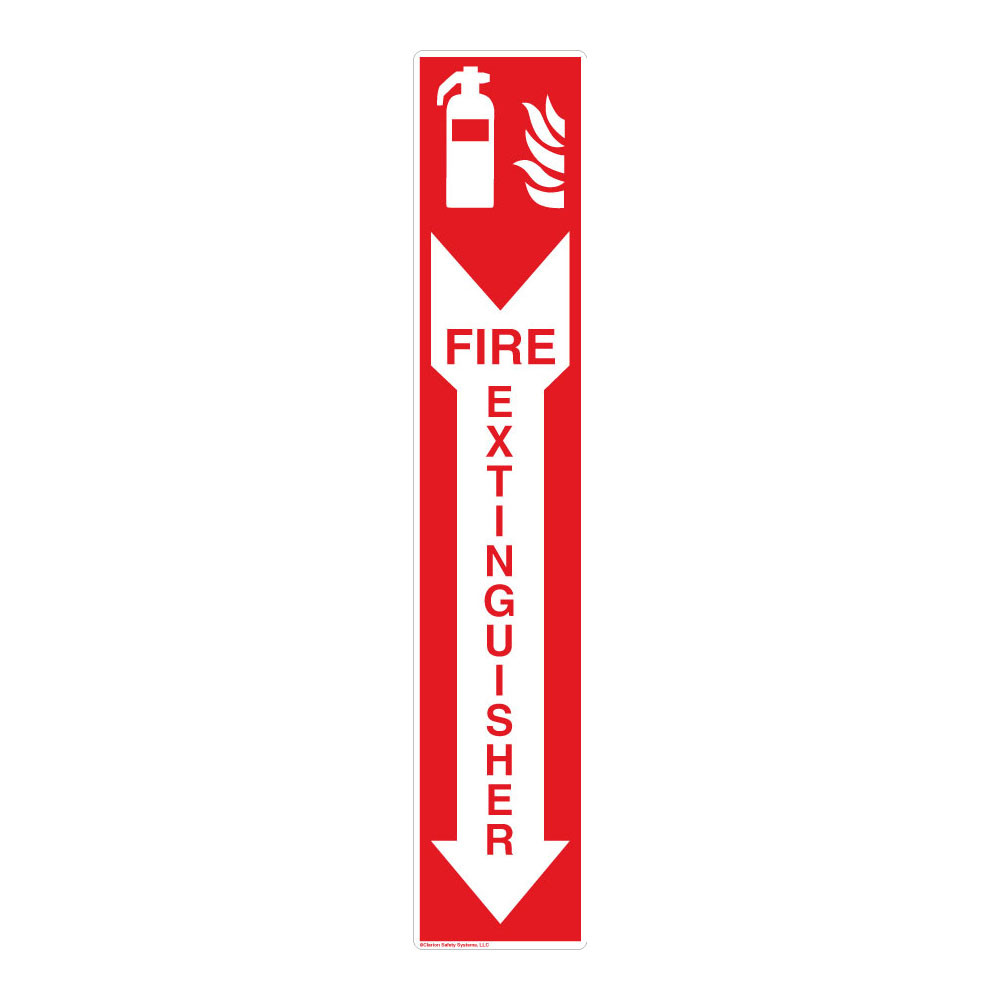
Map evacuation routes and conduct at least three to four drills annually. Egress systems should be unobstructed and marked with photoluminescent exit signs for visibility during power outages. - Mark Equipment and Exits Effectively
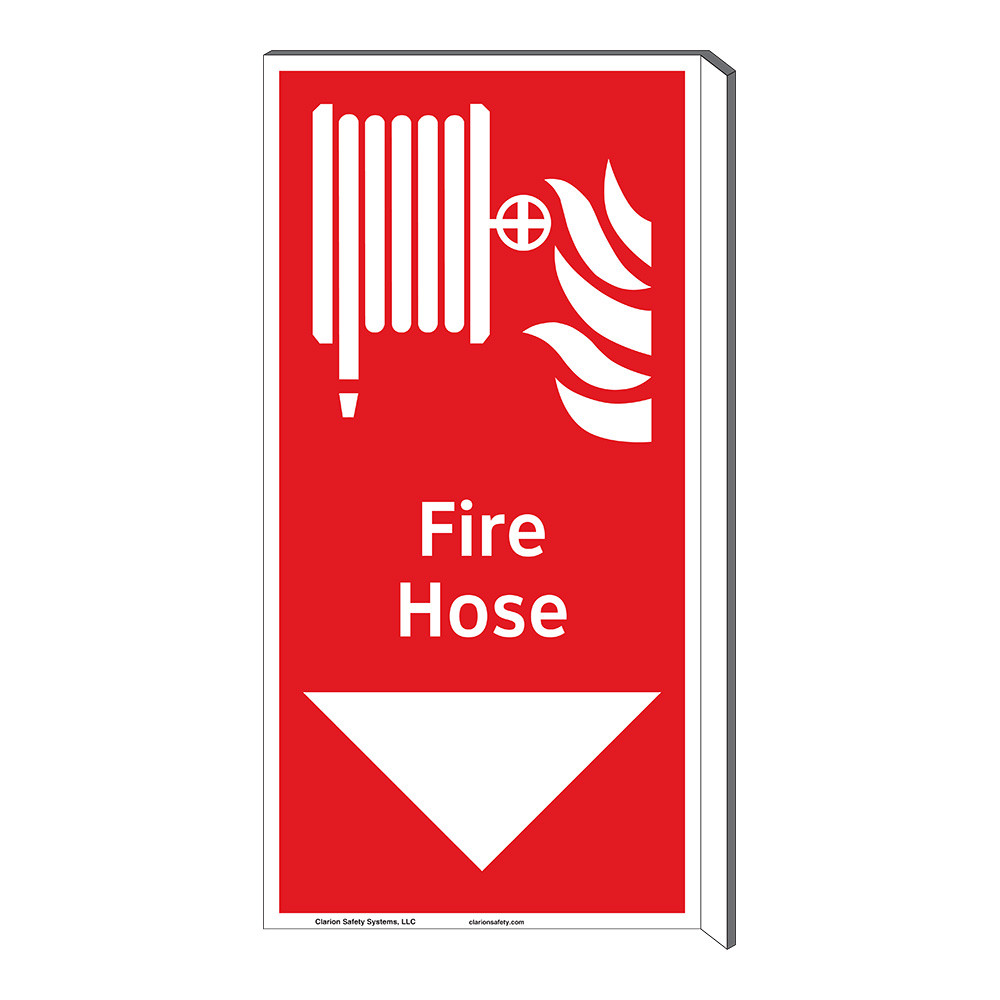
Confusion during emergencies can delay evacuation. Use fire equipment signs and egress markings to guide workers toward fire
extinguishers, alarms, and safe exits. - Maintain Fire Alarms and Detection Systems
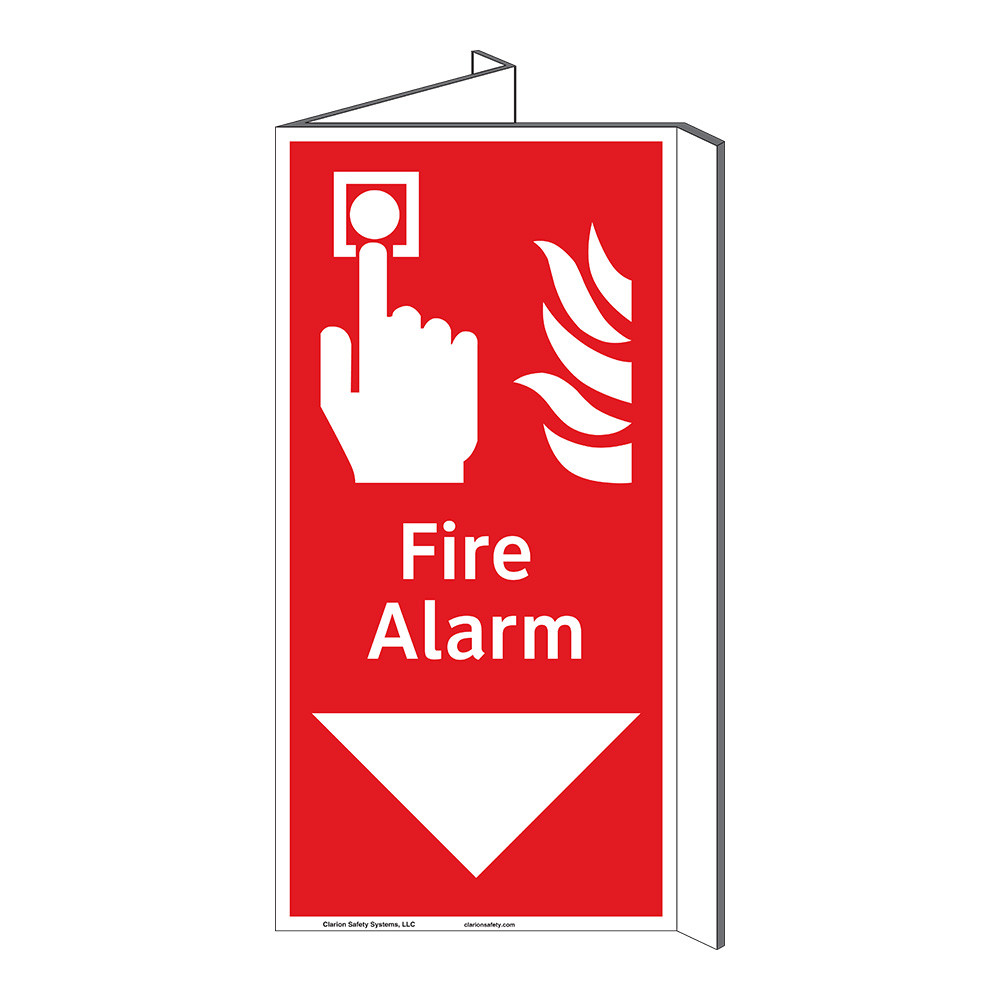
Regularly inspect and test alarms. OSHA requires alarms to be loud, distinct, and backed by a secondary power source in case of outage. - Ensure Accessible Fire Extinguishers
Fire extinguishers should be maintained, inspected, and easily accessible. Signs should clearly mark their locations for quick access in emergencies.
Strengthening Your Fire Safety Strategy
National Fire Prevention Week is a reminder of the everyday steps we can take to keep our workplaces and communities safe. From lithium-ion battery safety to proper labeling and evacuation planning, fire prevention requires ongoing awareness and commitment.
At Clarion Safety, we provide the fire safety labels, egress markings, and signage you need to support your fire prevention strategy. Contact our team today to learn how our products and expertise can help safeguard your workplace.
FAQs: Fire Safety and Prevention
The increasing use of lithium-ion batteries has added a new layer of risk to households and workplaces. Fires linked to improper charging and disposal are growing, making prevention and awareness crucial.
Key standards include NFPA 70E for electrical safety, OSHA 1910 Subpart L for fire protection, and ANSI Z535 for safety signs and labels. Compliance not only reduces risk but also supports a strong safety culture.
Labels serve as critical visual reminders of hazards. Properly designed labels—built to ANSI Z535 and ISO 3864-2 standards—communicate risks clearly and help prevent unsafe actions that could lead to fire ignition.