National Preparedness Month 2025: Why Emergency Planning Matters More Than Ever
September is National Preparedness Month—a reminder for organizations to evaluate their emergency plans, update safety measures, and reinforce worker protections. With increasing climate-related events, new regulatory updates, and evolving ISO standards, this year’s observance is the perfect time to ensure your workplace is ready.
Why Preparation is a Business Responsibility
Preparedness isn’t only about protecting your family—it’s also about safeguarding your workforce. For employers, a failure to provide clear evacuation routes, safety signage, and response plans can lead to liability in the aftermath of an incident. Past disasters like Hurricanes Katrina and Helene underscored the legal and moral duty organizations have to prepare.
Today, OSHA and ISO standards continue to reinforce that emergency preparedness is both a compliance issue and a critical component of workplace safety culture.
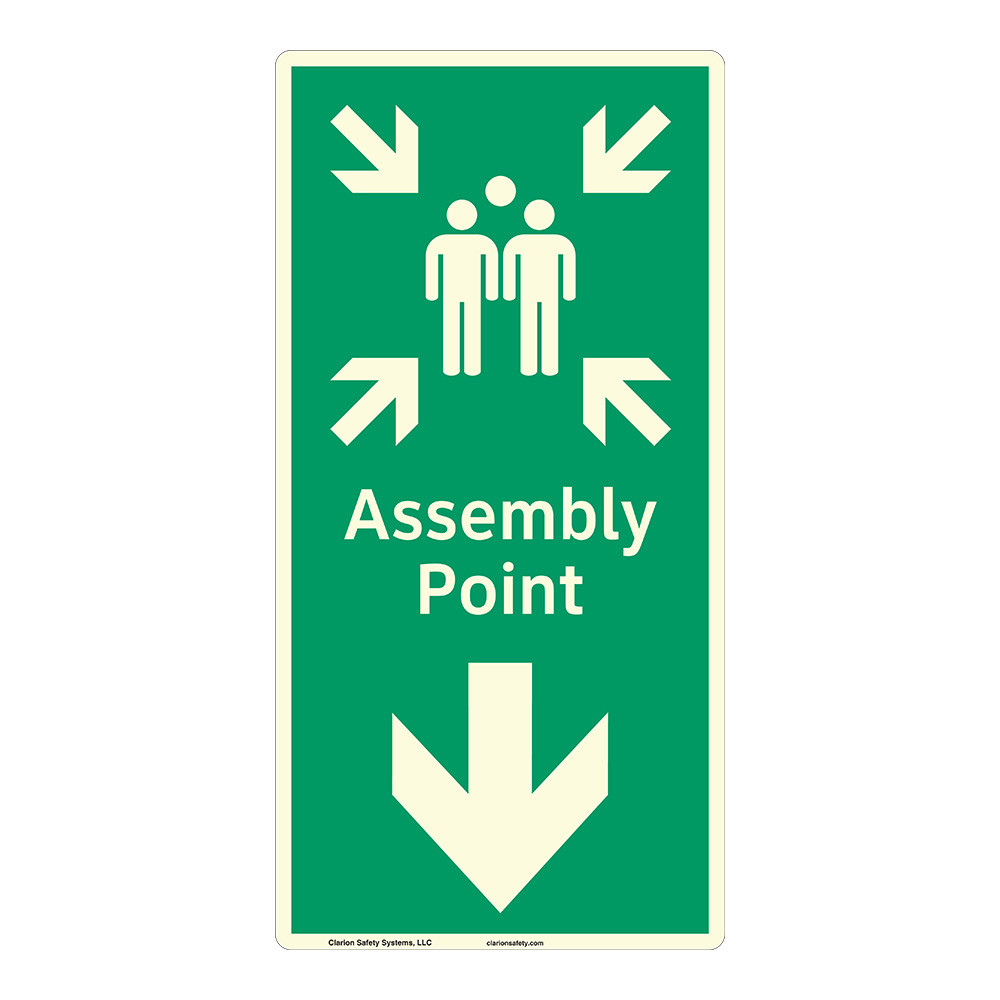
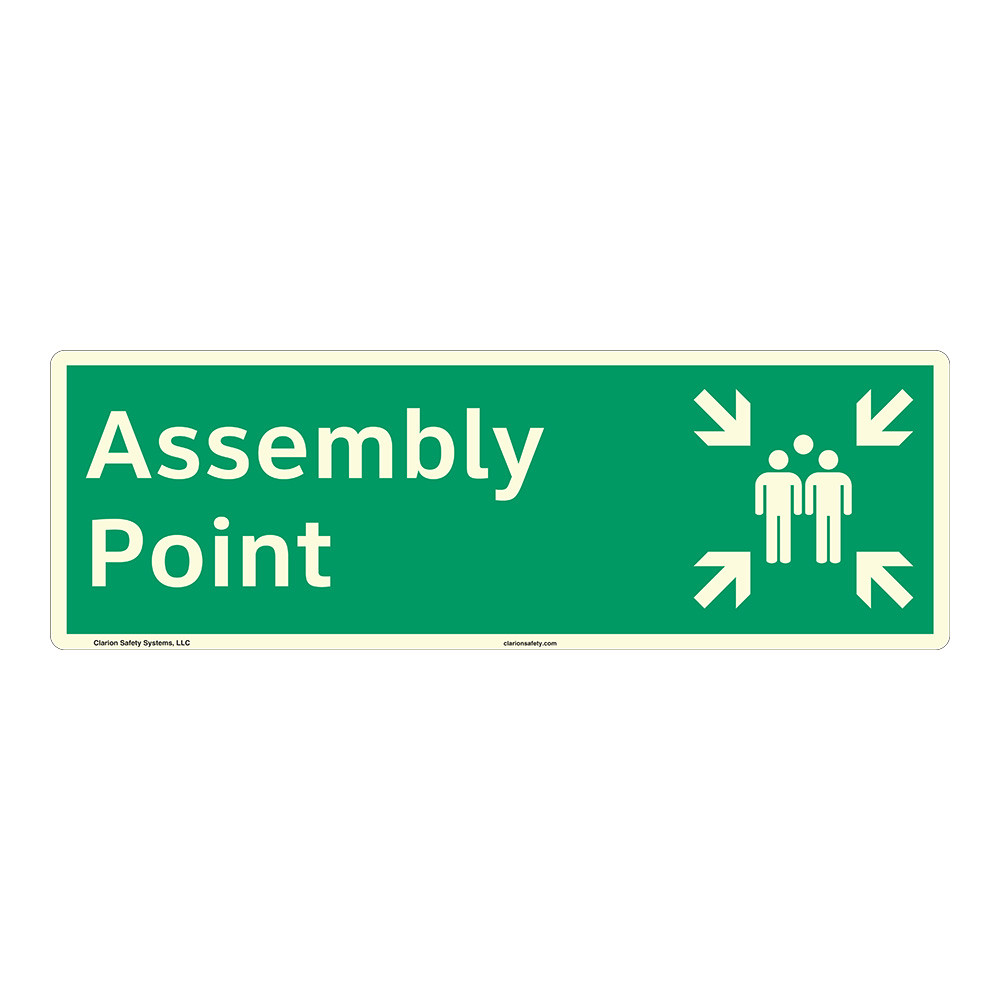
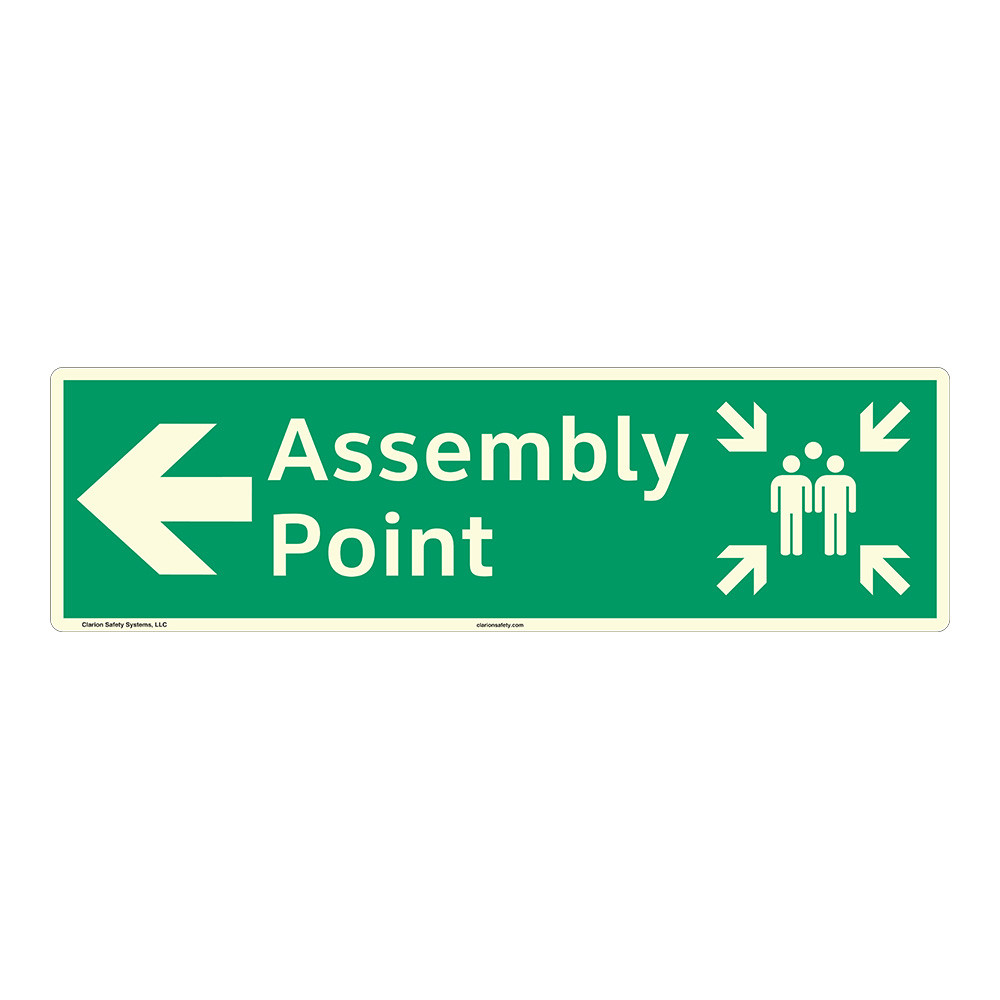
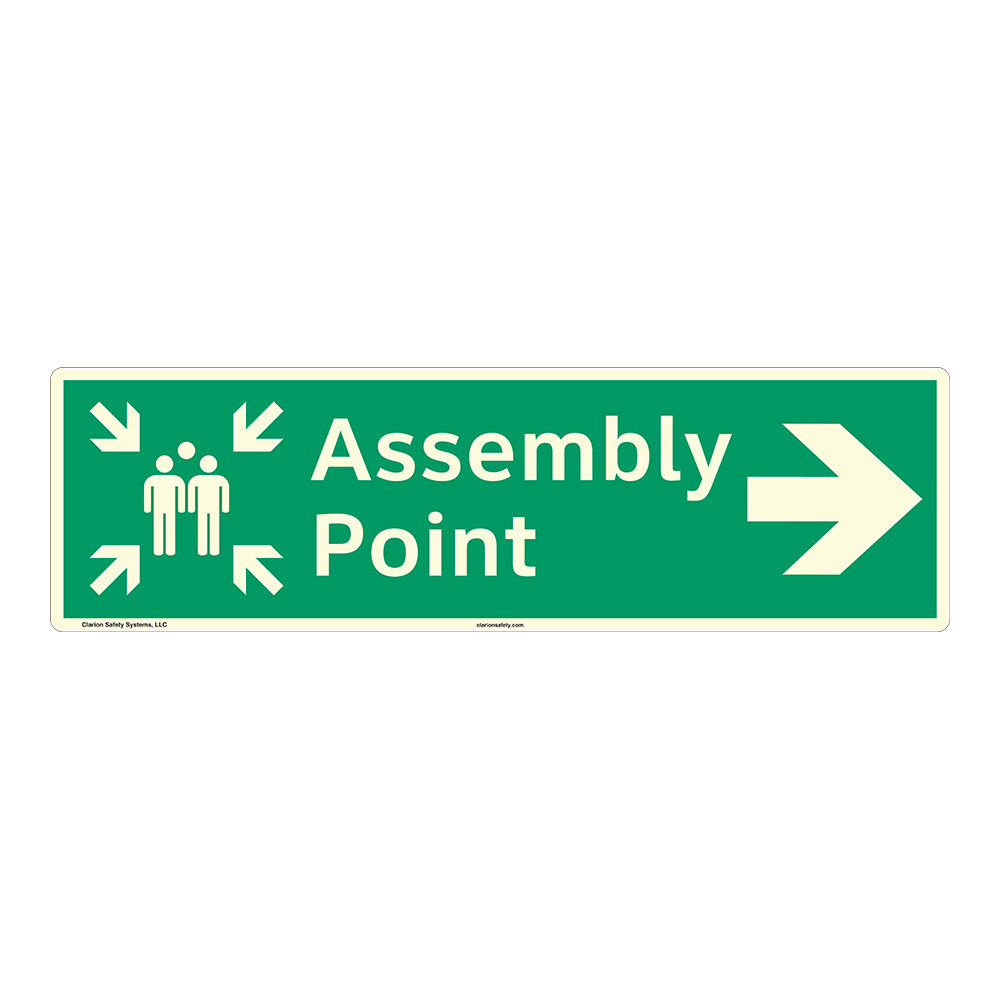
ISO 7010 Updates: Emergency Symbols for a Safer Future
International standards evolve to reflect emerging risks. The ISO 7010 standard—which governs safety symbols on hazard and emergency signs—has seen several updates in recent years. Symbols now cover a broader range of scenarios, including:
- Fire blanket
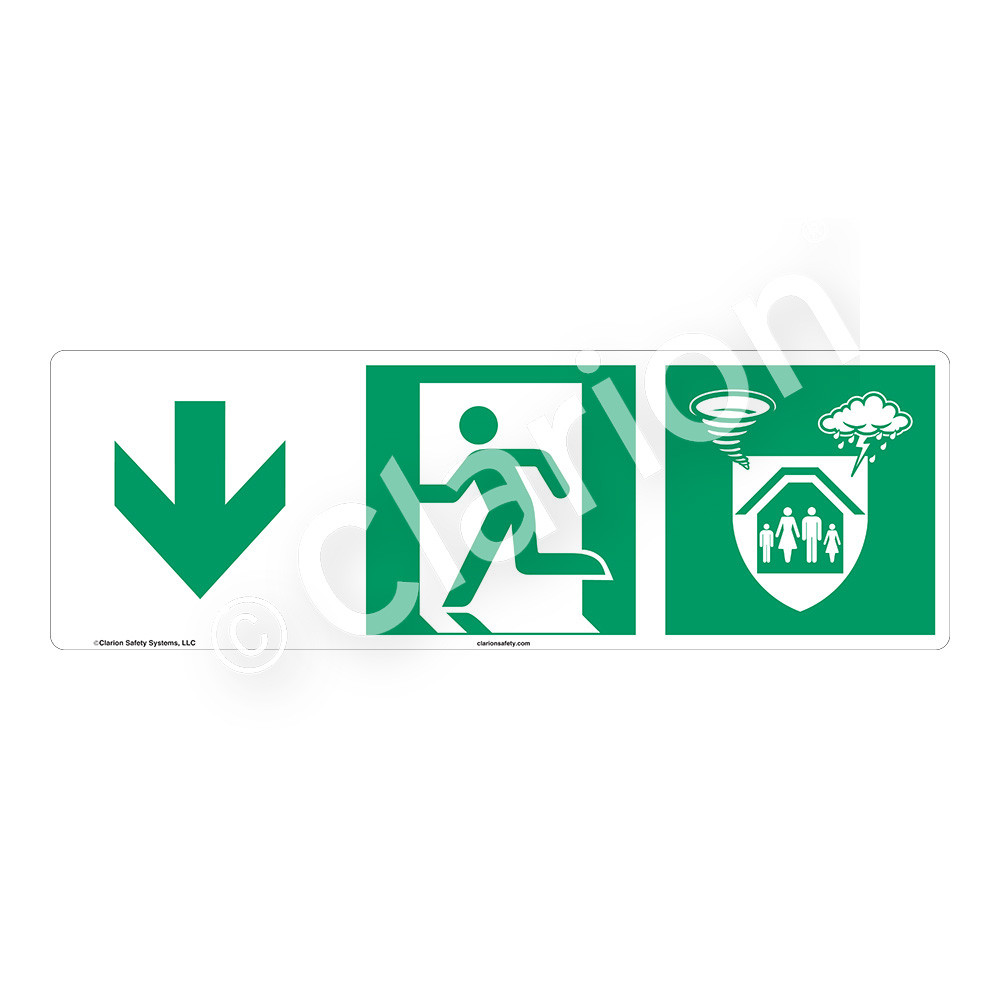
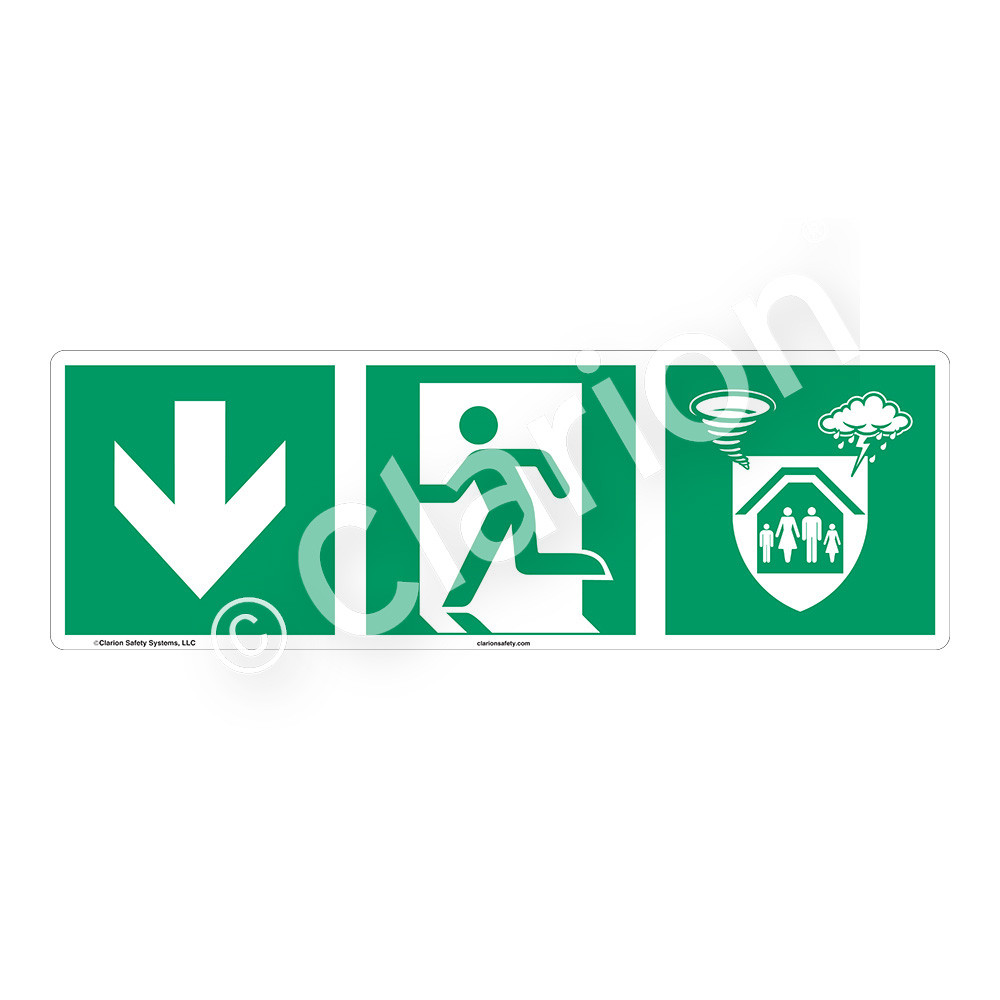
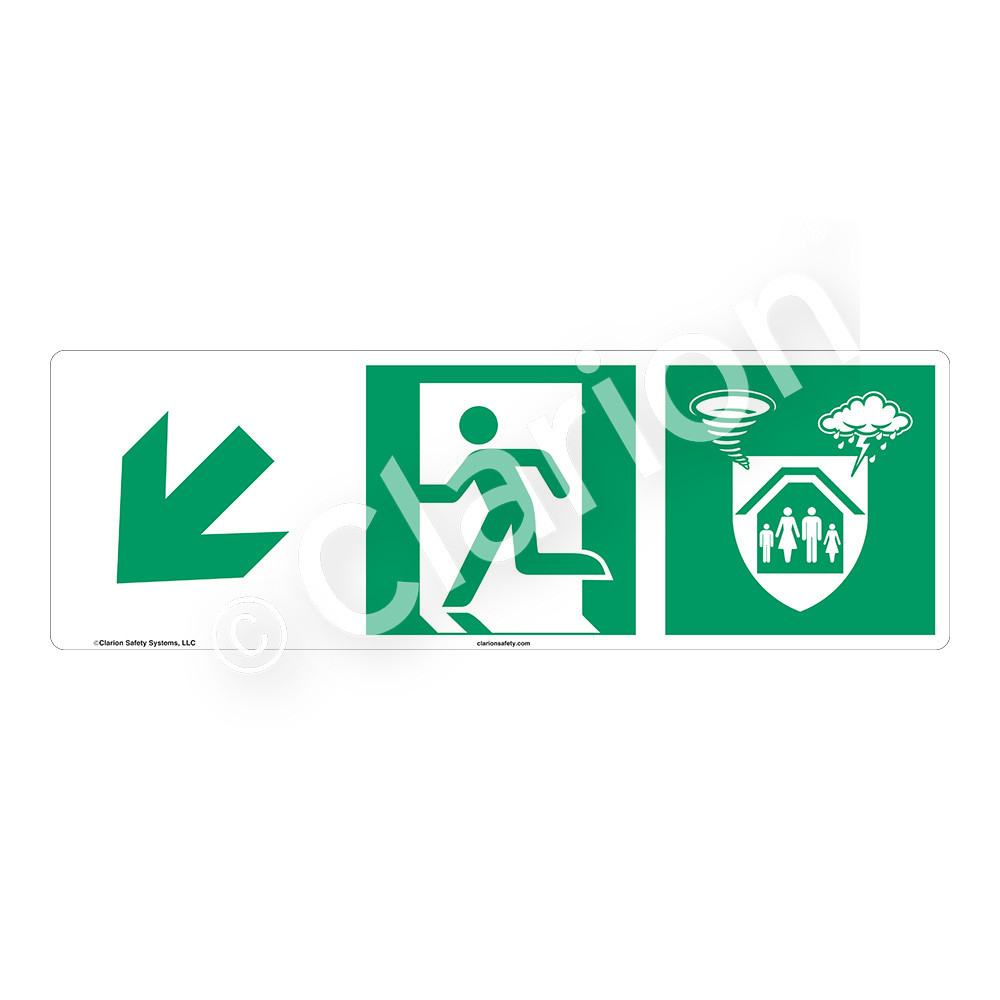
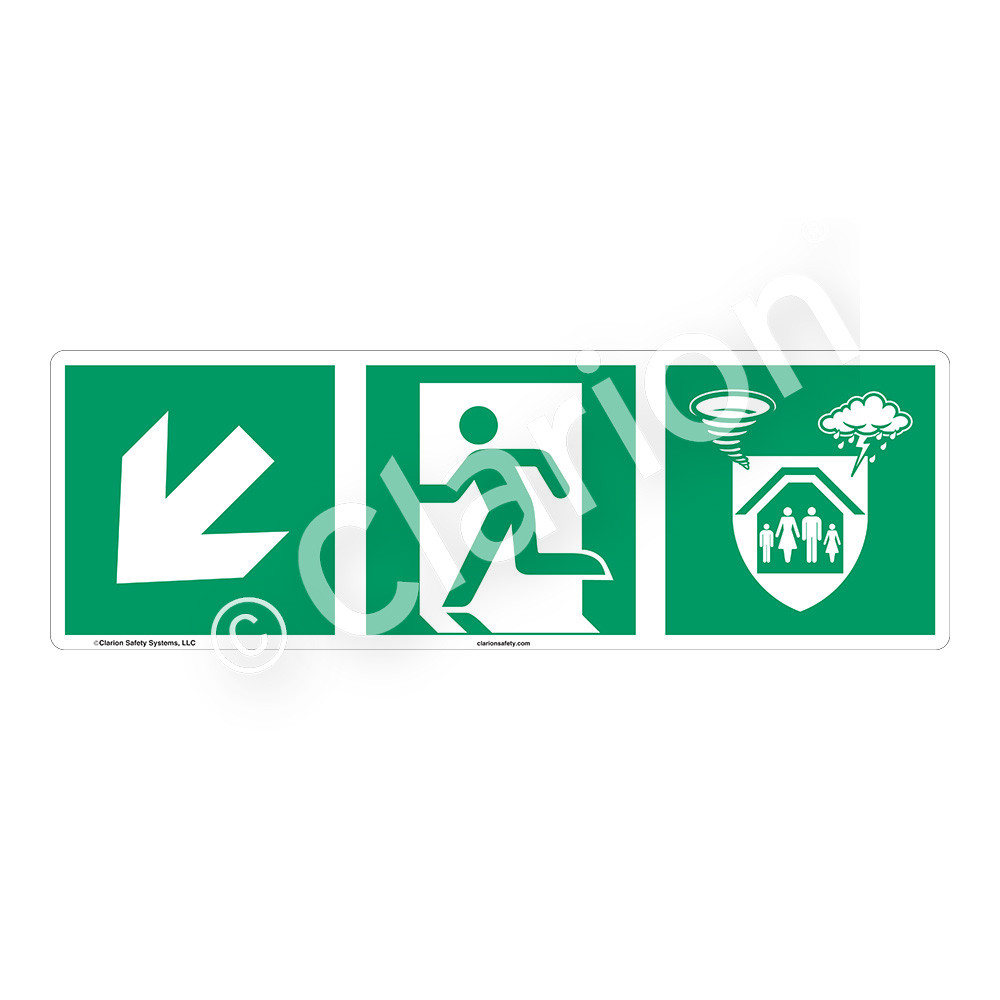
- Protection shelter
- Emergency exit for persons with impairments
- Medical grab bag
- Survival clothing
These updates align with ISO 3864-2 principles on symbol shape and color, ensuring consistency and comprehension worldwide. For facilities operating internationally or with diverse workforces, adopting ISO-compliant signs reduces confusion and strengthens safety outcomes.


Planning Around Real-World Threats
Emergency planning should be specific to your location and operations. The U.S. alone faces a wide range of risks:
- Earthquakes: Not just in California or Alaska; tremors have been recorded in the Midwest and East Coast. Secure heavy equipment, anchor furniture, and
train workers on safe shelter practices. - Hurricanes and Flooding: Storm surges, flash floods, and severe rainfall require evacuation plans, signage for routes, and clear communication about safe
zones. - Tornadoes: Every state has seen tornado activity. Mark shelter-in-place areas and reinforce awareness with well-placed signs and labels.
While not every event can be anticipated, preparing for the most likely hazards gives you a foundation to adapt when the unexpected occurs.
Building a Safety Stockpile
Response planning isn’t only about signage and escape routes. Workplaces should maintain:
- First aid kits in designated shelter areas and vehicles
- At least three days of water and nonperishable food
- Flashlights, radios, and batteries
- Medical supplies and personal protective equipment
These basics support worker safety while emergency responders manage larger community needs.
Turn Awareness Into Action
National Preparedness Month is the perfect time to review and strengthen your emergency planning—but readiness should extend year-round.
Clarion Safety offers ANSI Z535.2-compliant facility signs, ISO 7010 emergency exit signs, and custom solutions to help organizations meet standards and protect workers.
Explore Clarion’s Facility Safety Signs to begin building a safer, more resilient workplace.
FAQs: National Preparedness Month and Workplace Safety
National Preparedness Month is an annual observance in September organized by FEMA to encourage families, communities, and businesses to plan for disasters and emergencies. For workplaces, it’s a key time to evaluate emergency procedures, signage, and training.
Preparedness helps protect employees, reduce downtime, and limit liability. Employers have a duty to provide clear evacuation routes, compliant safety signs, and documented emergency response plans to ensure worker safety.
ANSI Z535.2 covers environmental and facility safety signs, including emergency exit and egress markings. Using ANSI-compliant signs ensures hazards and escape routes are communicated consistently across facilities.
As active members of ANSI and ISO committees, Clarion Safety has inside knowledge of the standards that shape today’s best practices. We help manufacturers and EHS leaders design and implement labeling and signage systems that meet both domestic and international requirements.