OSHA Extends Hazard Communication Compliance Deadlines Under Revised HCS
In January 2026, OSHA issued a final rule extending several upcoming compliance deadlines under its revised Hazard Communication Standard (HCS), 29 CFR 1910.1200. The extension gives manufacturers, distributors, and employers additional time to prepare for significant changes to chemical classification, labeling, safety data sheets (SDSs), and employee training requirements.
While the four-month extension provides welcome breathing room, OSHA has been clear that this change is about managing a complex transition, not easing enforcement expectations. Employers can use this added time strategically to strengthen their hazard communication programs and avoid rushed compliance efforts later.
Background: OSHA’s 2024 Hazard Communication Standard Update
In May 2024, OSHA finalized sweeping updates to the Hazard Communication Standard to better align the U.S. framework with the Globally Harmonized System of Classification and Labeling of Chemicals (GHS). These revisions introduced changes across several core areas of hazard communication, including:
Updated hazard classifications
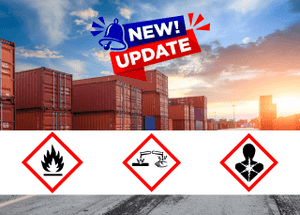
Revised label elements, including hazard statements and pictograms
Expanded and clarified SDS content requirements
Because of the scope of these changes, OSHA adopted a tiered compliance schedule. Chemical manufacturers, importers, and distributors were required to comply first, followed by downstream employers responsible for workplace labeling, written programs, and employee training.
Why the 2024 HCS Changes Matter
The revised HCS is intended to improve consistency, clarity, and accuracy in how chemical hazards are communicated across the supply chain. For employers, this means higher expectations for maintaining up-to-date labels, aligning SDSs with workplace practices, and ensuring employees understand newly identified hazards.
What Changed in January 2026: OSHA Pushes Back Key Deadlines
Last week, on January 15, 2026, OSHA published a final rule extending several HCS compliance deadlines by four months. The agency cited the need for additional time to finalize guidance materials and allow regulated entities to fully digest and implement the revised requirements.
Updated Compliance Deadlines for Substances
Manufacturers, importers, and distributors: Extended from January 19, 2026 to May 19, 2026
Employers (workplace labeling, written programs, training): Extended from July 20, 2026 to November 20, 2026
Updated Compliance Deadlines for Mixtures
Manufacturers, importers, and distributors: Extended from July 19, 2027 to November 19, 2027
Employers (workplace labeling, written programs, training): Extended from January 19, 2028 to May 19, 2028
OSHA also invoked the “good cause” exception under the Administrative Procedure Act, bypassing formal notice-and-comment rulemaking due to the proximity of the original January 2026 deadline. According to the agency, the extension preserves regulatory stability while avoiding confusion during the transition period.
Transitional Compliance Options Remain in Effect
Importantly, OSHA did not change the existing transitional provision. Covered entities may continue complying with:
The 2012 Hazard Communication Standard
The revised 2024 HCS
Or a combination of both
This flexibility remains in place until the applicable compliance date for substances or mixtures arrives. However, managing mixed compliance requires careful coordination to ensure labels, SDSs, and training materials remain aligned.
What This Means for Employers and EHS Teams
Although the extension reduces immediate time pressure, it does not eliminate the operational risks associated with delayed preparation. Employers that defer action until closer to the revised deadlines may encounter supply-chain delays, training bottlenecks, or inconsistent hazard communication across their facilities.
How Employers Should Use the Additional Time, Per OSHA
OSHA recommends using this period to:
Inventory hazardous chemicals and identify newly applicable hazard classes
Coordinate with suppliers to obtain updated SDSs and labels
Review and revise written Hazard Communication Programs
Assess employee training gaps related to updated hazards
Monitor OSHA guidance materials as they are released throughout 2026
Taking these steps early helps reduce the risk of rushed updates and enforcement challenges later.
The Role of Safety Labels in HCS Compliance
Accurate, durable safety labels remain a cornerstone of effective hazard communication. As SDSs and hazard classifications evolve, workplace labels (including secondary container labels and area signage) must remain consistent with the applicable HCS version.
Outdated or mismatched labels can create confusion for employees and increase compliance risk during OSHA inspections. Proactively reviewing and updating labels as part of a broader HCS transition strategy can help employers maintain clarity, consistency, and regulatory alignment.
What Is a Special Government Employee (SGE) Assessment?
Participants in the Safety Champions Program may request an assessment from a Special Government Employee (SGE). SGEs are experienced safety and health professionals authorized to review employer safety programs and provide feedback on program effectiveness and progression.
An SGE assessment may include:
Evaluation of safety policies and procedures
Review of hazard identification and control measures
Assessment of training and documentation practices
Feedback on alignment with OSHA Recommended Practices
While not an enforcement inspection, an SGE assessment can help employers identify weaknesses before they result in citations, incidents, or downtime.